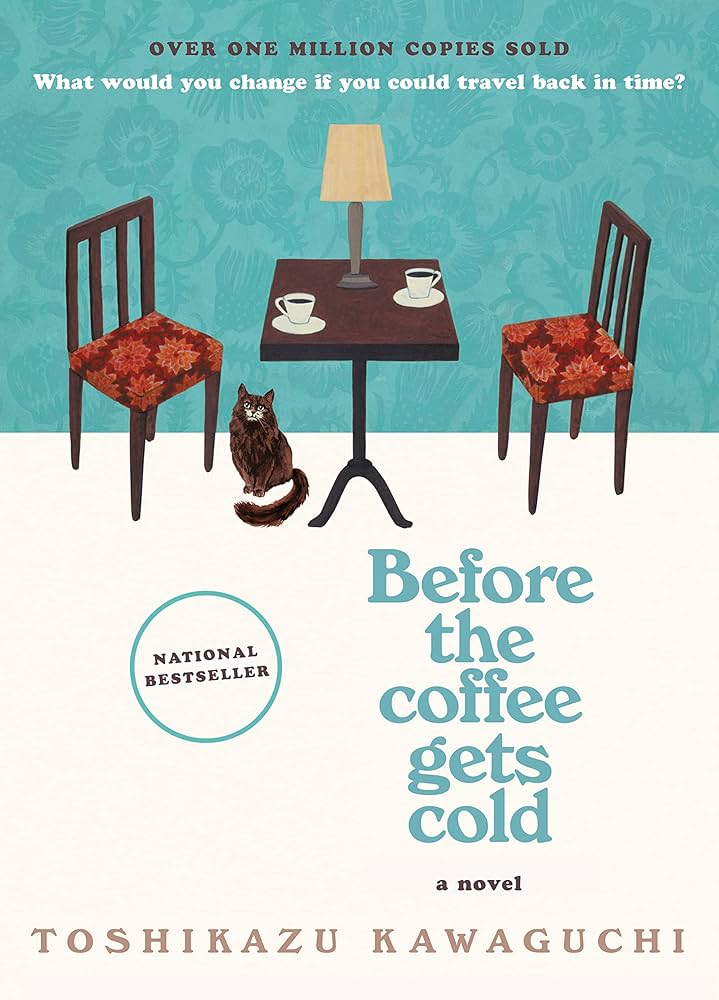
Before the Coffee Gets Cold

Author: Toshikazu Kawaguchi |Translated by Geoffrey Trousselot| 224 Pages | Genre: Fiction | Publisher: Picador | Year: 2019 | My Rating: 8.5/10

” When you go back, no matter how hard you try, the present won’t change”
― Toshikazu Kawaguchi, Before the Coffee Gets Cold

The novel was originally published in Japan in 2015 and translated into English by Geoffrey Trousselot in 2019. The novel was also adapted into a film, Café Funiculi Funicula, which was released in Japan in 2018 and directed by Ayuko Tsukahara. Before the Coffee Gets Cold is an adaptation of a stage play. Kawaguchi was a playwright, and the original story was written for the theatre before being adapted into a novel. The theatrical influence remains visible throughout the book, with ‘clang-dong’ written as a scene shift as characters arrive and leave the cafe. Almost everything happens in one enclosed space where the characters enter, sit, talk, listen, and leave. The narrative is carried by dialogue. The result is a novel that sometimes feels less like conventional fiction than like a collection of intimate dramatic scenes.

The story is set in a small café in Tokyo, Funiculi Funicula, where a customer can travel into the past. There are rules, of course, as one must sit in a particular chair; one may meet only people who have visited the café; nothing said or done in the past can alter the present; and the traveller must return before the coffee becomes cold. The café is therefore less a machine for travelling through time than a chamber for confronting memory. The novel doesn’t have altered timelines, paradoxes, dystopian futures, or battles with destiny. The supernatural mechanism is deliberately narrow, where the past is sealed, and the future remains untouched. Only the traveller’s understanding of what happened can change, and time becomes another technology of human agency.

Kawaguchi is less interested in the mechanics of time travel than in its emotional residue. This novel is about the strange human wish to return to a moment in personal history, in which a conversation that ended a relationship, the apology that was never made, the goodbye that was too hurried, the person whose absence has become more real than their presence ever was. The café does not offer a second chance in the conventional sense. It offers something both smaller and, perhaps, more difficult chance to see the past without being able to repair it. The novel proposes that regret is not necessarily a desire to alter history. Sometimes regret is simply the recognition that we misunderstood history when we were living through it.

The novel’s emotional world is built from ordinary disappointments in life rather than extraordinary tragedies. The narrative follows four distinct visitors: Fumiko, who wishes to speak with the boyfriend who left her; Kohtake, a nurse seeking a letter from her Alzheimer’s-stricken husband, Fusagi; Yaeko, a bar owner mourning a final conversation with her late sister; and Kei, the café owner’s ailing wife who travels to the future to see her unborn daughter. Assisted by the quiet barista Kazu, the cheerful owner Nagare, and a quiet Ghost of a woman who guards the chair, these characters learn that while they cannot alter the present reality, the act of expressing their true feelings completely transforms their hearts and gives them the strength to face the future.

The brilliance of the café’s rules is that they remove the fantasy of control. In most stories about time travel, the past is a problem to be solved. Go back far enough, and one can prevent the accident, save the relationship, kill the tyrant, invest in the right company, or avoid whatever mistake has subsequently become intolerable. Time in the novel is not represented by a clock or some abstract metaphysical force. Instead, it is represented by a cup of steaming coffee and measured by the cup gradually losing its heat. The travellers to their past have only until the coffee becomes cold. The deadline is arbitrary, intimate, almost domestic, and yet it transforms the familiar cup of coffee into a measure of mortality. We have all experienced versions of this deadline. A conversation that we postpone, a phone call that we assume can be made tomorrow, parents we intend to visit during holidays, a friend we imagine will always be there, a relationship we believe has time to repair itself.

The characters who enter the café are not given additional time in any meaningful quantitative sense. They are given a few minutes. What changes is the quality of those minutes. The past becomes suddenly precious because the characters know precisely how little time they possess. Kawaguchi turns the familiar fantasy of ‘more time’ into better attention to the time already available. The novel asks its characters, and by extension its readers, to accept that the past cannot be changed. But it also constructs an elaborate fantasy in which people can return to the past precisely because they cannot bear to leave it alone. Acceptance is rarely achieved by simply deciding to accept. We revisit memories, replay conversations, imagine alternative sentences in our minds. We wonder what would have happened if we had arrived five minutes earlier or stayed five minutes longer. Kawaguchi’s café gives physical form to this universal mental habit. Kawaguchi ultimately asks a question that is simpler than its time travel premise and harder to answer: ‘If you were given one last conversation with someone you had lost, what would you say?’
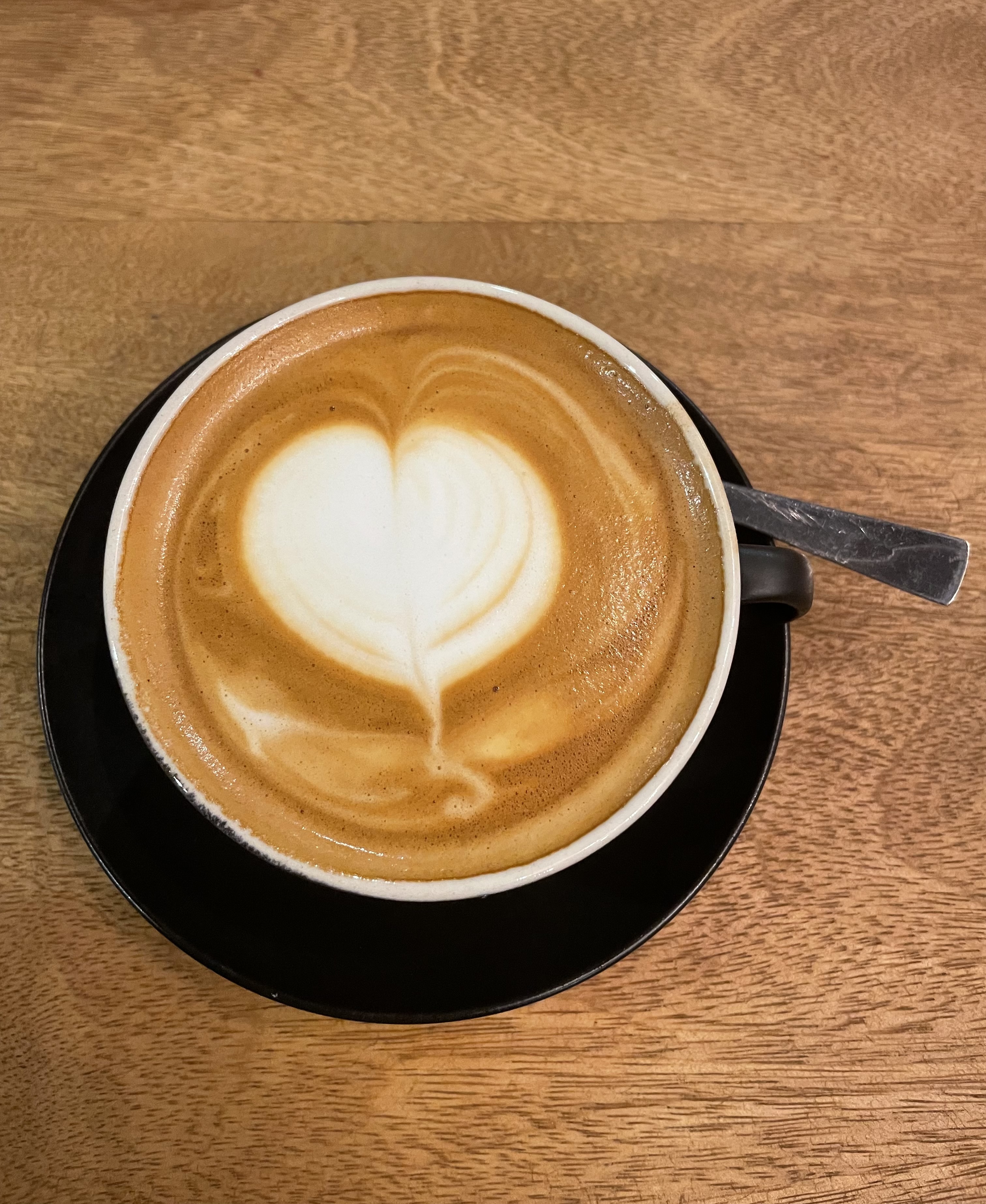
Poetry in a cup

My love for cappuccino goes back 25 years, when a friend of mine took me to a fancy cafe for coffee and cake. Until then, I had only enjoyed Nescafé from those old coffee machines and served in paper cups. One sip of this elixir, which was creamy, velvety, and audaciously flavourful, and I was ruined forever. This coffee in a ceramic mug not only brought a new flavour but won my taste buds and heart for all eternity. It was proof enough that nirvana sometimes comes with foam.

Since then, Capp, as I affectionately call it, and I have been the best of buddies. I have made new friends, dated, had breakups, found my startup partners, discovered new employers, hired employees, pitched to clients, met strangers, mentors, mentees, colleagues, inventors, professors, and who’s who over mugs of cappuccino. Capp has been my best mate during my ‘me’ time. Capp has helped (and continues to do so) me think, innovate, write articles and poetry, introspect, and just be me.

Capp has played roles that most people reserve for therapists, advisors, or wise friends. It has seen me through emotional crisis, creativity bursts, writer’s blocks, existential questions, and Mondays. It has provided intellectual companionship, whether I am solving crosswords or writing a new blog post. Every time I’ve needed clarity, I have found it swirling somewhere between the foam and the last sip. Forget meditation, real introspection happens when your hands are wrapped around a warm cappuccino mug, and you’re staring into the nothingness like a philosopher lost in thought.

I think Cappuccino is one of the greatest social equalisers ever invented! At almost all the cafés, you’ll find students, entrepreneurs, artists, engineers, poets, procrastinators, and people pretending to work, all looking thoughtful and slightly existential when holding a cappuccino mug. Over the years, I have met strangers who later became collaborators, collaborators who became friends, and friends who introduced me to even more cappuccinos. If networking had an official beverage, Capp would be printed on the business cards. At this point, if LinkedIn allowed a ‘coffee quotient,’ mine would be among the highest across generations.

But beyond work, people, and the illusion of productivity, Capp has been the guardian of my ‘me-time.’ While the world insists on shouting through notifications, deadlines, and existential adulthood, a mug of cappuccino quietly reminds me to breathe. Those quiet moments in cafés with just me, Capp, my lit B & H regulars, a notebook or iPad, or a newspaper are where most of my thinking actually happens. Poems, ideas, reflections, plans, memories, confessions, and stories have all been brewed with Capp as my thinking cap. If a cappuccino had consciousness, it would be quietly judging me for the number of drafts I’ve abandoned midway, and they now decorate the ‘Notes’ app in my iPhone/iPad.

There is a ritualistic romance to the warmth of the mug, the gentle collapse of foam, keeping the coffee art till the last few sips, and the world slowing just enough to let me feel human again. Somehow, every sip feels like a reminder that life doesn’t unfold only through big milestones, but often, it’s held together by tiny pauses over coffee.

After a quarter of a century, my love for cappuccino is still burning bright, even though I have tried its other cousins. But I always return to Capp because Capp is comfort, consistency, creativity, and companionship poured into a single mug. So, here’s to the witness to my chaos, the co-author of my ideas, the soundtrack to my solitude, and the warm friend who has been present in more chapters of my life than any human possibly could. If love could be brewed, steamed, and topped with foam art, it would taste exactly like this.

And after 25 years, I’m still not done sipping.

Stressed, blessed, and cappuccino-obsessed, that’s my motto, I confess!

Nick’s Italian Kitchen, McLeodganj

Google photo memory showed me a blast-from-past photo from Mcleodganj, and I thought I must write about my favourite breakfast place (and even dinner) from one of my most favourite places in this world. Over last 16-17 years, I have been to McLeodganj several times, and there’s never been a day while being there that I have not spent some quality time relishing food and enjoying the vibe at Nick’s Kitchen.

If you find yourself wandering the streets of McLeodganj, searching for a meal that feels like a warm hug after a trek, Nick’s Kitchen is where you want to be. With its blend of authentic Italian cuisine, a diverse vegetarian menu, and a serene ambiance that captures the essence of McLeodganj’s laid-back, multicultural vibe, being there is not just about the food, it’s a cultural experience! It isn’t just a place to eat – it’s a place to be.

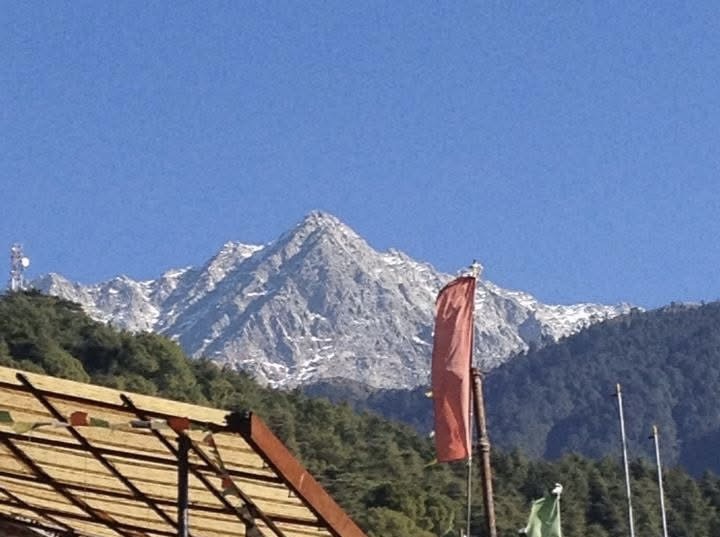
Nick’s Kitchen is located at the Kunga Guest House on the Bhagsunag road. The restaurant features both indoor and outdoor seating, with its expansive rooftop terrace being a standout feature. The first time I went there more than a decade ago, it had few plastic tables and chairs outside, especially in early morning for coffee and breakfast under the sun. Now the terrace is partially covered with multiple seating arrangement, provides breathtaking views of the Dhauladhar valley and surrounding mountains. 

The simple interiors exude a cozy, homey charm with wooden furniture, book-lined shelves, and a relaxed atmosphere. The restaurant’s ability to blend Italian aesthetics with McLeodganj’s monastic, multicultural vibe creates a unique ambiance, which is calm, peaceful, and segmented. Whether you’re a backpacker exchanging stories or a family enjoying a meal together, Nick’s offers a setting that feels inclusive and inviting.

The vibe is relaxed and homely, with a quiet buzz of travellers reading, journaling, or just soaking in the peaceful ambiance. It’s the kind of place where time slows down and conversations linger.

Nick’s Kitchen has a delightful mix of Indian, Tibetan, and Continental dishes, but it’s their delicious comfort food that steals the show. The lasagna is rich, cheesy, and perfectly baked. Their momos (because you musthave momos in McLeodganj) are soft, flavourful, and come with a spicy chutney that wakes up your senses. Don’t leave without trying the banoffee pie, cheesecake or the chocolate walnut cake – they’re nothing short of soul food.

Service is laid-back and friendly, which fits perfectly with the ambiance. You’re not here for fast food; you’re here to unwind, to watch the clouds roll by, get mesmerised by the killer views of snow-capped peaks of Dhauladhar range and to connect either with fellow travellers or simply with yourself. Whether you’re a backpacker, a soul-searcher, a couple, or just someone craving good food with epic views and chill vibe, this little haven in the hills is a must-visit.

My Kind of Street Cafe

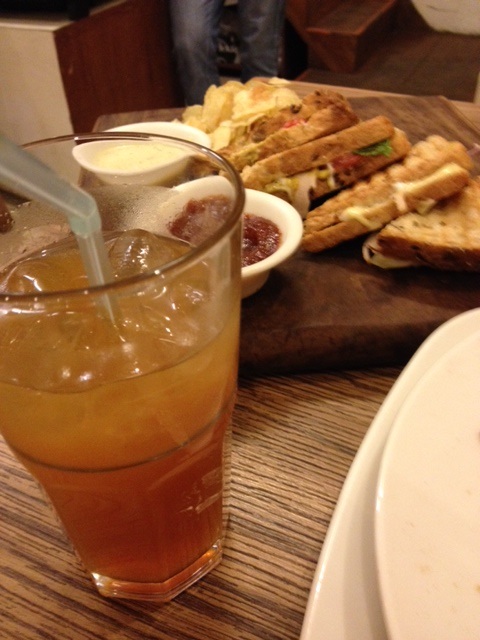
photo 4I am a regular to SDA Market (New Delhi) for my coffee fix at Cafe Qahwa and Costa, and recently discovered this small joint by the name of ‘My Kind of Street Cafe’. It has got basic seating in a casual dining setting, with a quirky DIY menu, which is like a mix of ‘Choose your own at Subway’ and Nick’s Kitchen at Mcleodganj. You gotta choose the ingredients of your sandwich from the given list on the menu and mark them with a sketch pen. The idea is novel, however it photo 2could have been better if I didn’t have to repeat what I had chosen to the host. Simpler option could have been had they given me a pen/paper to write what I wanted! Knowing that its a start-up and they have their chinks to fix, kudos to their novelty and food quality. Their Ham-n-Cheese sandwich was utterly delicious. Its good value for money with sumptuous servings and mouth-watering food.

Dinner for Two would cost around Rs 1,000.

My Rating: 4/5 (Taste, Service, Ambience, Value for money, Variety)

Must Try: Ham/Cheese Sandwich, Lemon Grilled Fish, Chicken Pita, any of their cake slices, Stuffed chicken