Fundraising is the art and science of turning good intentions into actual impact! Throughout my career I have been raising funds for social impact, for causes of basic necessities like food, water, shelter, livelihood to a green economy, bridges over rivers to even a roller coaster in a developed country. I have been actively involved in raising funds for these causes from as small as $10 up to $50 million from a variety of sources and instruments. As the Head of Development at a nonprofit organization for social impact projects in India, I’ve navigated the corridors of CSR leaderships and foundation offices, and let me tell you, it’s not always smooth sailing. Often, it feels like trying to surf a tsunami with a paper boat!
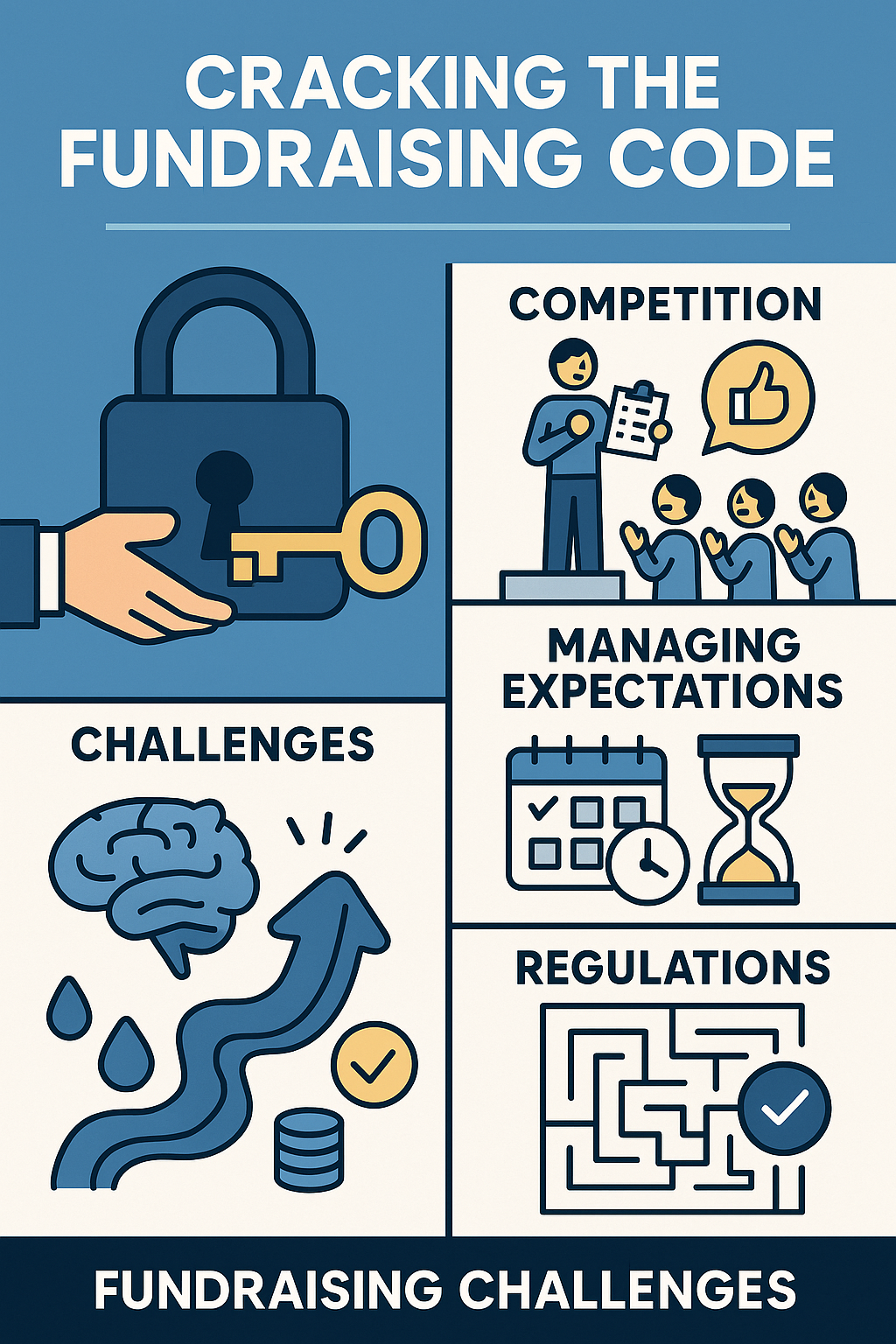
Corporate Social Responsibility isn’t just a box to tick. It’s a strategic dance between business goals, stakeholder expectations, and social impact. With so many initiatives competing for attention, securing a dedicated slice of the CSR pie often feels like requesting a moment on a crowded stage, and convincing the audience that your act is worth their applause.
Foundations receive hundreds of pitches, each expecting to win the golden ticket. Getting noticed requires more than a well-crafted proposal; it demands storytelling that resonates and relationships that endure. Sometimes, it’s less about what you say and more about how you say it, and how quickly you can make a compelling case before the next shiny pitch distracts them.
Donors want results, but impact is often a marathon, not a sprint. Managing expectations without being over promising is an art. We’ve all faced the uncomfortable moment of explaining why a project’s full fruits may take years to ripen, a diplomatic tightrope walk that can test even the most seasoned fundraiser.
India’s complex regulatory landscape can feel like a labyrinth where one wrong turn can lead to delays or disapprovals. Keeping up with FCRA regulations, tax exemptions, and reporting requirements is a full-time job, and sometimes, it’s like speaking a different language altogether. Ironically, securing funds for a project often means fundraising itself. Resource constraints can limit outreach and follow-up, turning what should be a strategic focus into a haphazard firefight.
A mix of storytelling, patience, relationship-building, and a dash of humour helps. When engaging with CSR and foundations, understanding their priorities, aligning your mission with their vision, and communicating impact clearly can turn challenges into opportunities.
To my fellow fundraisers who are navigating this maze: keep your spirits high, your pitches sharper, and remember, every “no” is just a “yes” in disguise waiting to happen!
Let’s keep the conversation going. Share your stories or tips below, because in the game of social impact, we’re all in this together.
Disclaimer: The opinions expressed are those of the author and do not purport to reflect the views or opinions of any organization, foundation, CSR, non-profit or others.
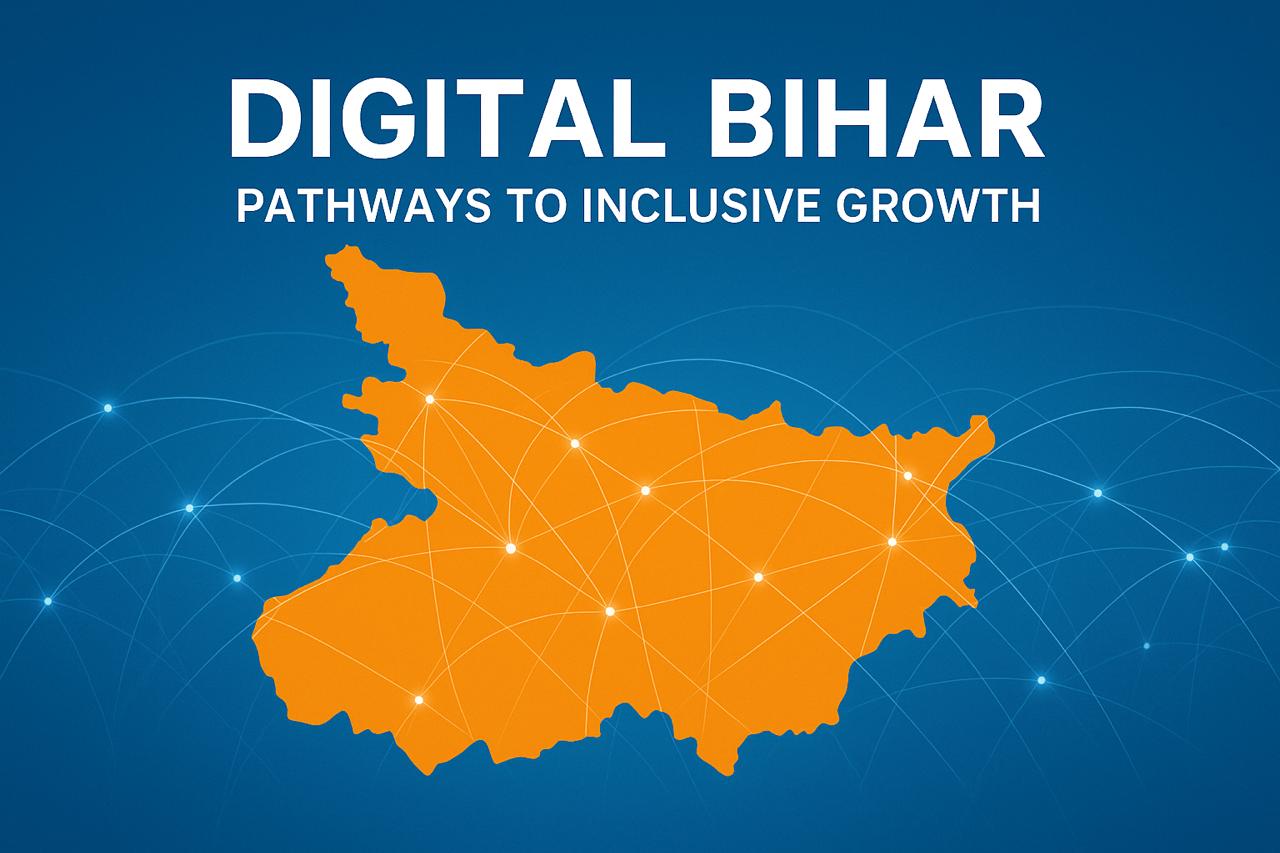
Bihar has a rich historical and cultural heritage and is one of the most populous states in India, with a population exceeding 13 crores[i] and a predominantly rural population. The state faces several challenges in digital literacy, access to technology, digital inclusion, economic development, and equitable growth. However, recent initiatives in e-governance, education, and entrepreneurship hold much promise and potential for contributing towards India’s vision of a digitally empowered society.
Digital literacy remains a significant challenge, with rates below 30% (national average 38% for household digital literacy[ii]), as reported by Ideas for India[iii]. Bihar’s low digital literacy follows its socio-economic conditions, including high poverty rates[iv] (33.76% below the poverty line and 51.91% multidimensional poverty as of 2021) and limited access to digital devices. Rural areas, which hold 75% of the state’s population face challenges due to inadequate infrastructure and low literacy levels. The state’s overall literacy rate, as per 2017 data, stands at 70.9%[v], with rural areas at 69.5% and urban areas at 83.1%. Female literacy, at 60.5%, is significantly lower than male literacy at 79.7%, further complicating efforts to bridge the digital divide.
The digital divide in Bihar is a significant barrier to inclusive development. According to the India Inequality Report 2022 by Oxfam India[vi], Bihar has the lowest internet penetration among Indian states and a wide urban-rural digital divide, with only 31% of rural residents using the internet compared to 67% in urban areas. This rural-urban divide is further worsened by socio-economic disparities.
Internet Penetration: Bihar ranks among the states with the lowest internet penetration in India. The rural-urban divide is stark — while urban centers like Patna are better connected, most rural areas still suffer from slow or no internet access.
Device Access: Among the poorest 20% of households, only 2.7% have access to a computer, and 8.9% have internet facilities.
Gender Gap: Women are 15% less likely to own a mobile phone and 33% less likely to use mobile internet, with India having the widest gender gap in the Asia-Pacific at 40.4%. In many households, men have primary access to mobile devices and internet usage. Women, especially in conservative or low-income families, are often excluded from digital usage.
Electricity Issues: Frequent power cuts and unreliable electricity supply further hinder the consistent use of digital devices in rural areas.
Language Barriers: Most digital content is in English or Hindi, which becomes a constraint for people who speak regional dialects such as Bhojpuri, Maithili, or Magahi.
The digital divide affects important sectors like education, healthcare, and finance. For example, in 2017-18 only 9% of students enrolled had access to a computer with internet for education[vii]. Initiatives like BharatNet, aimed at providing rural connectivity, have been unable to deliver effective outcomes. Bihar is one of the focus states for the Digital India Programme, but execution lags due to infrastructural challenges.
In recent years, Bihar has made significant strides in leveraging digital services in improving governance and public service delivery. The National Informatics Center (NIC) Bihar State Centre, established in 1988, plays a central role in this transformation (https://bihar.nic.in/). It supports departments such as revenue, district administration, rural development, finance, agriculture, employment, election, social welfare, and food and civil supplies with IT solutions. The ServicePlus portal is a key platform, offering services like certificate issuance and case status checks, though rural access remains a hurdle, particularly for marginalized communities, requiring better infrastructure and awareness. These barriers require continued investment in training and infrastructure to ensure widespread digital literacy. Common Service Centres (CSCs) and Vasudha Kendra are crucial for providing government and private services to rural and remote areas in Bihar, enhancing digital inclusion and accessibility. However, they are not enough to cater to the growing needs of the rural population. People travel to block towns and larger villages, to access even basic G2C services, indicating the lack of any nearby facility.
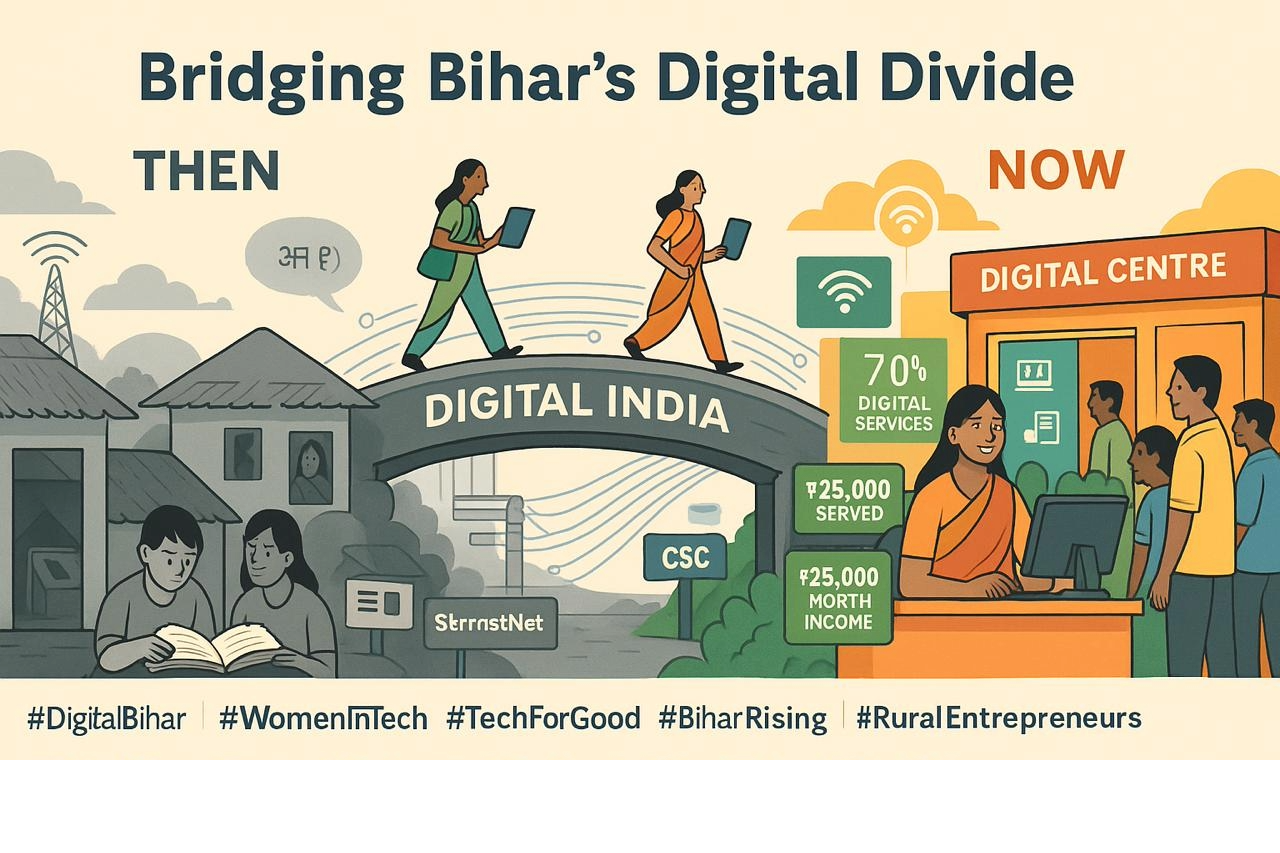
For bridging the digital divide, a digital entrepreneurship program in 500 villages from five districts, viz., Darbhanga, Samastipur, Patna, Nalanda, and Gaya was launched in 2023. Bihar is witnessing a transformative wave of service accessibility led by women digital entrepreneurs. These trailblazing women are not only redefining the entrepreneurial landscape but also catalyzing inclusive development across the state. This initiative provides capacity building and mentoring in digital skills, customer service, entrepreneurship development, financial support and resources, and digital tools to women from socially and economically disadvantaged communities, helping them become successful rural digital entrepreneurs and build a Digital Entrepreneurship Ecosystem. This holistic approach equips them to offer essential digital services in their communities, such as facilitating access to government schemes, online education, and digital financial services. From being computer illiterate to providing a host of over 70+ digital services, these digital entrepreneurs have come a long way only within 9 months of their venture-start in their villages. Some of their services include a large suite of G2C services, design & printing services, online form filling, Banking services, and Mobile payments, among several others. They have also been cross-selling and diversified in selling non-digital products. In this short period, they have already served over 250,000 rural customers (around 40% female customers), and is expected that as their businesses mature, they will be providing digital services to over 7.5 lakh population. Apart from making digital services easily accessible at the village level, they are generating income and securing their futures, with some of them steadily earning upwards of INR25,000 monthly. This program is not only bridging the digital divide but also promoting economic security and social equity, local inclusive economic development, gender equality, awareness, and opening opportunities for skills development.
While government efforts are underway, a coordinated approach involving public-private partnerships, local community engagement, and targeted digital inclusion programs is essential. Programs like these need to be scaled up across the state covering the entire 8,387 Gram Panchayats for bridging the digital divide and contributing significantly to Bihar’s and India’s digital economy.
“In God we trust. All others must bring data.” This quote, made by W. Edwards Deming holds true (and may even supersede God for some as Divine).
I have been in love with data right from my school years and the mysteries of the world it holds. I have tried to develop data driven models on human relationships, the movement of animals, finding patterns in the ways of the world, and later designing programs of social impact for challenging poverty, and policy development. In the end, we all are data, from the moment we are an idea until long after we pass away.
“Data is divine” highlights the growing understanding of data’s vital significance in modern society, in much the same way that religious or spiritual values have directed civilizations throughout history. In today’s digital age, data powers innovation, decision-making, and advancement in all fields, including governance, research, business, healthcare, and lifestyle.
1. Data as a source of truth: Data is frequently regarded as an impartial depiction of reality, providing information on trends and occurrences that may be imperceptible to anecdotal experience or intuition. In this way, data has a unique position as the basis for making well-informed decisions and uncovering hidden facts.
2. The power of data in innovation: Data is driving advancements in domains like healthcare, finance, and climate science and is revolutionizing industries as it powers AI/ML and sophisticated analytics. This emphasizes how data has the “divine” ability to spark significant change. The use of data for enhancing human welfare, from preventing pandemics through data-driven epidemiology to lowering inequality by studying societal trends has been in use. When applied sensibly and morally, it can aid in resolving some of the most pressing issues facing society.
3. Data as omnipresent: From the apps we use daily to the systems that manage our cities, data is present everywhere in the modern world. Its pervasiveness is comparable to a certain “divine” quality in that it affects almost every facet of contemporary life, whether we are conscious of it or not.
4. Data and ethics: Data carries a great deal of responsibility along with its power. Similar to supernatural knowledge, there are significant ethical ramifications to the way we collect, use, and safeguard data. Data misuse can result in inequality, manipulation, and privacy violations. As a result, it is crucial to handle data with dignity, openness, and ethics.
“Data is divine” also implies that we must treat it with deference and accountability while simultaneously appreciating its immense importance in shaping our future. We need to balance the power of data with ethical considerations as our world grows more and more data driven. The following are some crucial strategies to preserve this equilibrium,
1. Data privacy and informed consent: People ought to be in charge of how their information is gathered, kept, and utilized. It is not appropriate to force them to divulge information. Companies must be open and honest about their data practices so that users know what information is being gathered and why. Clear and informed consent should not be buried in complicated terms and conditions. Data literacy is essential among general population so that they are aware of the consequences of disclosing personal information, and the dangers of data misuse.
2. Data minimization: Only gather information that is absolutely required for the current job. This reduces the possibility of abuse and shields people from needless exposure. I’ve seen in recent years how social development initiatives gather and store vast amounts of data, with donors coercing their nonprofit partners to obtain it, yet this doesn’t address any societal issues. It is crucial to have a conscious grasp of what is needed.
3. Data bias and fairness: AI/ML systems may reinforce or increase biases found in the training data. Therefore, diversifying datasets, employing inclusive development techniques, and reviewing algorithms for bias are all necessary to ensure fairness.
4. Equitable data access: One way to lessen inequality is to make sure that data access and its advantages are shared equitably among all communities. This entails preventing the reinforcement of systemic disadvantages while ensuring that marginalized groups have access to data-driven insights.
5. Data governance and accountability: To ensure that data is utilized properly, organizations and governments must establish robust data governance policies and ethical frameworks. To stay up with the latest developments in technology, these policies must be revised regularly. It is imperative to establish unambiguous lines of accountability for the handling and utilization of data. Data practices can be kept moral and in line with social standards with the support of independent oversight organizations or ethics boards.
6. Regulation and legal safeguards: Strong data protection laws that impose restrictions on how businesses and organizations can gather, keep, and handle personal data must be enforced by governments. Laws that address issues like accountability for algorithmic judgments, eliminating discrimination, and safeguarding human rights in AI-driven systems are crucial for the ethical application of automation and artificial intelligence. Because technology is changing so quickly, regulatory models must be adaptable and flexible to support innovation and enable quick responses to emerging ethical dilemmas.
7. Data for social good: Data can and should also be used positive social impact including lowering inequality and poverty, combating climate change, and improving public health. Governments, corporations, and civil society organizations working together can help guarantee that data is used morally and for the good of society. These collaborations may result in common frameworks for the ethical use of data.
A multifaceted strategy including legislation, transparency, public education, and proactive governance is needed to strike a balance between the power of data and ethical issues. Prioritizing the defence of individual rights, maintaining equity, and advancing the common good while fostering innovation should be the main goals of ethical data use. Through cultivating a culture of accountability and responsibility, we can leverage data’s promise (and divinity) without sacrificing moral principles.
Disclaimer: The opinions expressed are those of the author and do not purport to reflect the views or opinions of any organization, foundation, CSR, non-profit or others
A person requires to possess both ‘can do’ attitude and aptitude for business to start on an entrepreneurial journey. But is that enough? Often an entrepreneur’s success is celebrated as an individual, but seldom the support system in the form of family and friends are discussed due to which the entrepreneur has achieved success. This is irrespective of the nature and size of business, geography, gender and backgrounds of the entrepreneur, and investment that goes in the venture.
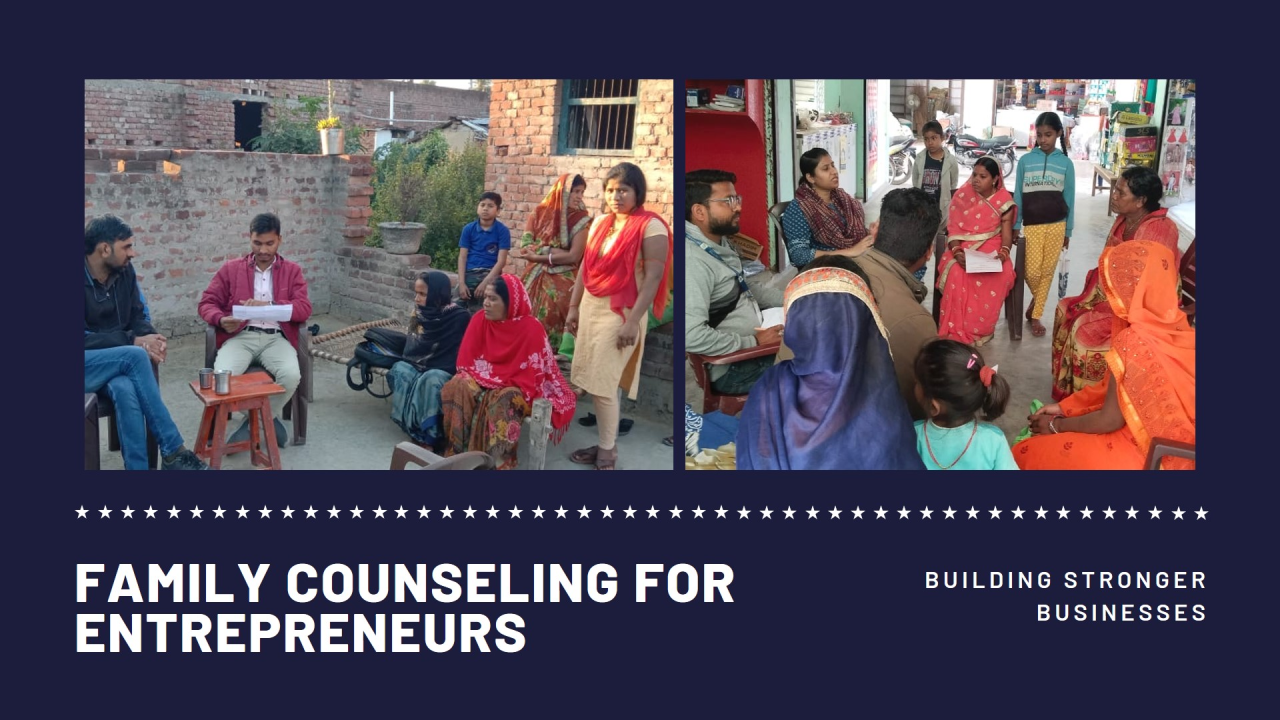
While there’s no age to starting a business, the development programs I am working with focuses on women and girls in the age group of 18-50 years from poor and low-income households in the rural areas, with a desire to be self-employed and in future create employment for the youth in their respective villages. Selection processes of such aspiring entrepreneurial women vary depending on the model and approach of the programs. For the conventional businesses existing vocational skills and basic business acumen is analyzed, for others apart from these qualities, level of confidence, ability to invest their time, efforts, and money, general awareness, and other aptitude tests are conducted to measure the eligibility. What remains common across, and I believe is one of the most crucial factors for them to succeed from the word go is the support of their families, which remains the backbone of their ventures during and after the programmatic support. Therefore, post shortlisting of a potential entrepreneurial candidate, family counselling becomes the ultimate decider for her to join the program. And no, it has nothing to do with patriarchy. It’s same for any gender, and I think anywhere in the world. I have been a serial entrepreneur in my past, and have experienced in firsthand that without family support, I could have only done so much.
Family background including the size, type, and economic status can influence entrepreneurs’ and, therefore, entrepreneurship development. Even if the entrepreneurial spirit doesn’t necessarily run in the family, their support plays a vital role in an entrepreneur’s journey. Through their belief, encouragement, constant motivation, and involvement, families provide a nurturing environment for entrepreneurial growth.
In the process of meeting the family at their house in the village and discussing about their current livelihood and income sources, level of education in the household, aspirations and future plans, nature of relationship with the potential entrepreneurial candidate, sharing about the program, and earning their commitment of being the wind beneath the wings of their daughters, daughters-in-law, wife, and in turn building trust is the main agenda of the family counselling. This support is the most important step and measure for induction of an aspiring candidate in our entrepreneurship program. Garnering this support is half the battle won for the aspiring entrepreneur.
The hard work has to be of the entrepreneur, but families give financial assistance and provides the seed capital for the start-up, provides emotional assistance keeping the morale high during those challenging and difficult times that every entrepreneur undergoes, promote the venture in their long curated networks both within and outside their villages through word-of-mouth, volunteer their time at the business to attend to customers and promotion, and more importantly celebrate even the small moments of joy together.
Apart from money and market, family support is the third pillar of the tripod, which drives entrepreneurial success.
If you want to know more about designing rural women entrepreneurship projects and/or learn about family-counselling for rural entrepreneurship, feel free to connect.
(First published on LinkedIn on 6th March 2024)
Disclaimer: The opinions expressed are those of the author and do not purport to reflect the views or opinions of any organization, foundation, CSR, non-profit or others
Tuberculosis (TB) exacts a significant economic toll in India, affecting individuals, households, and the nation’s economy as a whole. Despite being preventable and treatable, TB continues to pose formidable challenges, impeding economic development and exacerbating poverty. By delving into the economic dimensions of TB in India, we can better understand its impact and the urgent need for concerted action to address this burden.
The economic burden of TB encompasses direct costs related to healthcare services and indirect costs stemming from productivity losses and premature mortality. According to a report by the World Health Organization (WHO), TB costs India an estimated $24 billion annually in terms of lost productivity and healthcare expenses. This staggering figure underscores the magnitude of TB’s economic impact on the nation.
Direct costs of TB care include expenses incurred for diagnosis, treatment, and management of the disease. These costs can be prohibitive for affected individuals and households, particularly those already grappling with poverty. According to the Global Tuberculosis Report 2021, approximately 39% of TB patients in India face catastrophic health expenditures, pushing many families into poverty.
Indirect costs of TB are equally significant, primarily attributable to productivity losses resulting from illness, disability, and premature death. TB often strikes individuals during their prime working years, disrupting employment and income-generating activities. A study published in The Lancet estimated that TB-related productivity losses in India amounted to $340 million annually, reflecting the substantial economic impact of the disease on workforce productivity.
Moreover, TB-related stigma and discrimination can exacerbate indirect costs by impeding social integration and employment opportunities for affected individuals. Fear of transmission and discrimination in the workplace further compound the economic hardships faced by TB patients and their families.
India bears the world’s highest burden of TB, accounting for approximately one-quarter of global TB cases.
In 2022, there were an estimated 2.8 million incident TB cases in India, with 342,000 TB-related deaths.
TB disproportionately affects economically vulnerable populations, including the homeless, slum dwellers, migrants, and marginalized communities.
The economic impact of multidrug-resistant TB (MDR-TB) is particularly severe, with higher treatment costs and lower treatment success rates compared to drug-susceptible TB.
According to the India TB Report 2021, the economic burden of TB in terms of lost productivity and healthcare costs is estimated to be $32 billion annually, representing a significant drain on the economy.
According to The Economic Times, the total cost of TB treatment from the onset of symptoms to one year post-treatment ranged from $330-$375 per PwTB, despite free diagnosis and treatment provided by the government.
Efforts to mitigate the economic impact of TB require a comprehensive approach that integrates health system strengthening, social protection measures, and poverty alleviation strategies. Investing in accessible, affordable, and high-quality TB care services is essential for reducing the financial burden on affected individuals and households. Additionally, addressing social determinants of health such as poverty, malnutrition, and overcrowded living conditions is critical for preventing TB and breaking the cycle of disease and poverty.
Furthermore, enhancing TB control efforts through innovative financing mechanisms, public-private partnerships, and community-based interventions can help alleviate the economic burden of TB while advancing progress toward elimination goals. Prioritizing TB within broader health and development agendas is essential for mobilizing resources, galvanizing political commitment, and fostering multisectoral collaboration to tackle this pervasive public health challenge.
The economic impact of TB in India is substantial, exerting profound consequences on individuals, households, and the nation’s economy. Addressing this burden requires concerted action and sustained investment in TB prevention, diagnosis, and treatment services. By leveraging evidence-based interventions, strengthening health systems, and addressing social determinants of health, India can mitigate the economic impact of TB while advancing progress towards achieving health equity and sustainable development goals. As India strives towards a TB-free future, addressing the economic dimensions of the disease is paramount for fostering inclusive growth and improving the well-being of its citizens.
(First published on LinkedIn on 28th March 2024)
Disclaimer: The opinions expressed are those of the author and do not purport to reflect the views or opinions of any organization, foundation, CSR, non-profit or others


 Manu Mayank