Binny and Family

Genre: Drama | Year: 2024 | Duration: 139 mins | Director: Ssanjay Tripaathy | Medium: Theater (PVR-INOX) in 2024 | Trailer: HERE | Language: Hindi | My rating: 3/5

Favorite Dialogue: Zindagi ki expiry date toh hoti hai par zindagi jeene ki nahin

Binny and Family is an emotional (and often melodramatic) roller coaster family drama depicting teenage angst, the thought divide across three generations, and shifting values of a nuclear non-resident Indian family. The film is mostly set in London and partly in a small town of Bihar, depicting different lifestyles and local flavors of people, cultures, and confused desis overseas, which also gets very well portrayed through the tug of war and conflicted relationship between a teenager and her parents and grandparents.

As a non-resident Bihari hailing from a middle class family, I could relate to several scenes like the makeover of the house prior to visiting parents, temporary changes in day-to-day life, familiar conversations, the subtle difference between ‘lihaaj’ and ‘unexpressed love’ that many like me have with their parents.

For a small size family, the film seemed a bit stretched at times! Some portions could have been edited, especially the school and romance routines, which didn’t fit in with the narrative. There was no chemistry between Binny and her crush, Dhruv (played by Tai Khan). In fact, the friend-zoned BP (played so well by Naman Tripathy) and Binny had better chemistry and could have been explored further in the story. From “Ladki jaat ho. Kuch anhoni ho gaya to kisko muh dikhange hum log” to sporting hat and being a cool grandfather seemed unrealistic within a short span of time.

Pankaj Kapoor, Rajesh Kumar and confident debutantes’ Anjini Dhawan and Naman Tripathi are a delight to watch. Even with ‘all that could have been better and viewing fatigue at times’, it’s still worth watching.

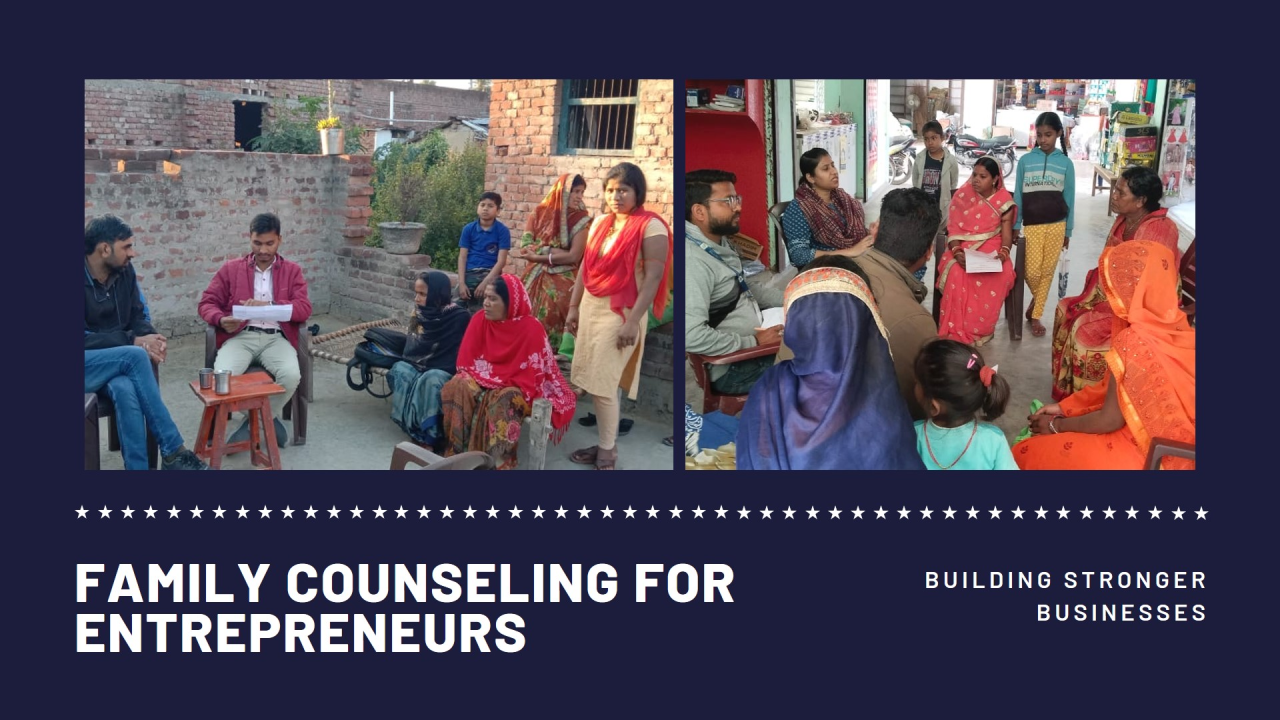
Importance of family counseling in entrepreneur selection

A person requires to possess both ‘can do’ attitude and aptitude for business to start on an entrepreneurial journey. But is that enough? Often an entrepreneur’s success is celebrated as an individual, but seldom the support system in the form of family and friends are discussed due to which the entrepreneur has achieved success. This is irrespective of the nature and size of business, geography, gender and backgrounds of the entrepreneur, and investment that goes in the venture.

While there’s no age to starting a business, the development programs I am working with focuses on women and girls in the age group of 18-50 years from poor and low-income households in the rural areas, with a desire to be self-employed and in future create employment for the youth in their respective villages. Selection processes of such aspiring entrepreneurial women vary depending on the model and approach of the programs. For the conventional businesses existing vocational skills and basic business acumen is analyzed, for others apart from these qualities, level of confidence, ability to invest their time, efforts, and money, general awareness, and other aptitude tests are conducted to measure the eligibility. What remains common across, and I believe is one of the most crucial factors for them to succeed from the word go is the support of their families, which remains the backbone of their ventures during and after the programmatic support. Therefore, post shortlisting of a potential entrepreneurial candidate, family counselling becomes the ultimate decider for her to join the program. And no, it has nothing to do with patriarchy. It’s same for any gender, and I think anywhere in the world. I have been a serial entrepreneur in my past, and have experienced in firsthand that without family support, I could have only done so much.

Family background including the size, type, and economic status can influence entrepreneurs’ and, therefore, entrepreneurship development. Even if the entrepreneurial spirit doesn’t necessarily run in the family, their support plays a vital role in an entrepreneur’s journey. Through their belief, encouragement, constant motivation, and involvement, families provide a nurturing environment for entrepreneurial growth.

In the process of meeting the family at their house in the village and discussing about their current livelihood and income sources, level of education in the household, aspirations and future plans, nature of relationship with the potential entrepreneurial candidate, sharing about the program, and earning their commitment of being the wind  beneath the wings of their daughters, daughters-in-law, wife, and in turn building trust is the main agenda of the family counselling. This support is the most important step and measure for induction of an aspiring candidate in our entrepreneurship program. Garnering this support is half the battle won for the aspiring entrepreneur.

The hard work has to be of the entrepreneur, but families give financial assistance and provides the seed capital for the start-up, provides emotional assistance keeping the morale high during those challenging and difficult times that every entrepreneur undergoes, promote the venture in their long curated networks both within and outside their villages through word-of-mouth, volunteer their time at the business to attend to customers and promotion, and more importantly celebrate even the small moments of joy together.

Apart from money and market, family support is the third pillar of the tripod, which drives entrepreneurial success.

If you want to know more about designing rural women entrepreneurship projects and/or learn about family-counselling for rural entrepreneurship, feel free to connect.

(First published on LinkedIn on 6th March 2024)

Economic impact of Tuberculosis in India

Tuberculosis (TB) exacts a significant economic toll in India, affecting individuals, households, and the nation’s economy as a whole. Despite being preventable and treatable, TB continues to pose formidable challenges, impeding economic development and exacerbating poverty. By delving into the economic dimensions of TB in India, we can better understand its impact and the urgent need for concerted action to address this burden.

The economic burden of TB encompasses direct costs related to healthcare services and indirect costs stemming from productivity losses and premature mortality. According to a report by the World Health Organization (WHO), TB costs India an estimated $24 billion annually in terms of lost productivity and healthcare expenses. This staggering figure underscores the magnitude of TB’s economic impact on the nation.

Direct costs of TB care include expenses incurred for diagnosis, treatment, and management of the disease. These costs can be prohibitive for affected individuals and households, particularly those already grappling with poverty. According to the Global Tuberculosis Report 2021, approximately 39% of TB patients in India face catastrophic health expenditures, pushing many families into poverty.

Indirect costs of TB are equally significant, primarily attributable to productivity losses resulting from illness, disability, and premature death. TB often strikes individuals during their prime working years, disrupting employment and income-generating activities. A study published in The Lancet estimated that TB-related productivity losses in India amounted to $340 million annually, reflecting the substantial economic impact of the disease on workforce productivity.

Moreover, TB-related stigma and discrimination can exacerbate indirect costs by impeding social integration and employment opportunities for affected individuals. Fear of transmission and discrimination in the workplace further compound the economic hardships faced by TB patients and their families.

  • India bears the world’s highest burden of TB, accounting for approximately one-quarter of global TB cases.
  • In 2022, there were an estimated 2.8 million incident TB cases in India, with 342,000 TB-related deaths.
  • TB disproportionately affects economically vulnerable populations, including the homeless, slum dwellers, migrants, and marginalized communities.
  • The economic impact of multidrug-resistant TB (MDR-TB) is particularly severe, with higher treatment costs and lower treatment success rates compared to drug-susceptible TB.
  • According to the India TB Report 2021, the economic burden of TB in terms of lost productivity and healthcare costs is estimated to be $32 billion annually, representing a significant drain on the economy.
  • According to The Economic Times, the total cost of TB treatment from the onset of symptoms to one year post-treatment ranged from $330-$375 per PwTB, despite free diagnosis and treatment provided by the government.

Efforts to mitigate the economic impact of TB require a comprehensive approach that integrates health system strengthening, social protection measures, and poverty alleviation strategies. Investing in accessible, affordable, and high-quality TB care services is essential for reducing the financial burden on affected individuals and households. Additionally, addressing social determinants of health such as poverty, malnutrition, and overcrowded living conditions is critical for preventing TB and breaking the cycle of disease and poverty.

Furthermore, enhancing TB control efforts through innovative financing mechanisms, public-private partnerships, and community-based interventions can help alleviate the economic burden of TB while advancing progress toward elimination goals. Prioritizing TB within broader health and development agendas is essential for mobilizing resources, galvanizing political commitment, and fostering multisectoral collaboration to tackle this pervasive public health challenge.

The economic impact of TB in India is substantial, exerting profound consequences on individuals, households, and the nation’s economy. Addressing this burden requires concerted action and sustained investment in TB prevention, diagnosis, and treatment services. By leveraging evidence-based interventions, strengthening health systems, and addressing social determinants of health, India can mitigate the economic impact of TB while advancing progress towards achieving health equity and sustainable development goals. As India strives towards a TB-free future, addressing the economic dimensions of the disease is paramount for fostering inclusive growth and improving the well-being of its citizens.

(First published on LinkedIn on 28th March 2024)

Navigating the Road to Sustainability for Nonprofits in India

Source: Idea taken from Foraker group model

Sustainability has become a buzzword across industries, and for nonprofits in India, it’s more than just a trend—it’s a necessity! Sustainability in the nonprofit sector is a critical issue that encompasses not only environmental stewardship but also financial stability, organizational resilience, and long-term impact. Nonprofits, by their nature, are dedicated to addressing social, economic, and environmental challenges, often with limited resources and high expectations. With India’s rapid economic shifts and evolving social landscape, understanding and overcoming these hurdles is essential for nonprofits striving to make a lasting difference.

Key Challenges Facing Nonprofits in India

1. Funding Instability:  One of the most significant challenges facing nonprofits is financial instability. Nonprofits rely heavily on donor contributions, government grants, and CSR grants, which can be unpredictable and subject to economic fluctuations. Furthermore, many donors prefer to fund specific projects rather than general operations, leaving nonprofits vulnerable to financial shortfalls. The global economy, changing donor priorities, and a lack of diversified income streams often impact an organization’s ability to plan and execute long-term projects. This gets further compounded by competition among nonprofits for limited resources.

Nonprofits must constantly innovate and demonstrate their impact to attract and retain donors. This requires significant investment in fundraising and partnership strategies, donor relations, and marketing, which are resource-intensive and divert attention from core mission activities, often resulting in chicken-egg situations.

2. Administrative and Operational Inefficiencies:  Many nonprofits in India struggle with limited administrative resources and inefficient operational practices. Limited resources lead to outdated technologies, inefficient processes, and a lack of professional expertise. Inefficiencies in management, compliance, accounting, and reporting undermine the effectiveness of programs and reduce transparency, negatively impacting stakeholders and donors’ trust. This is more challenging for smaller organizations with limited administrative capacity.

3. Regulatory and Compliance Maze: Managing the complex regulatory landscape in India is challenging for nonprofits. Compliance with legal requirements, such as the Foreign Contribution Regulation Act (FCRA) and the Goods and Services Tax (GST), requires careful attention to detail and significant administrative effort. Changes in regulations and stringent reporting requirements add to the administrative burden. Staying compliant while adapting to new regulations can strain organizational resources and divert attention from mission-critical activities.

4. Capacity Building and Skill Gaps: The nonprofit sector often faces challenges related to human resources. There is a growing need for skilled professionals who can handle strategic planning, fundraising, and program management, leading to organizational sustainability. The sector often faces challenges in attracting and retaining skilled professionals due to budget constraints and lower salaries compared to the private sector.

Capacity building requires investing in learning and development for employees. However, many organizations lack the resources to provide comprehensive training programs or to hire experienced professionals. This often limits their ability to effectively manage programs, drive strategic initiatives, and ensure organizational growth.

5. Measuring Impact: Measuring and presenting evidence-backed impact is essential for donor confidence and organizational effectiveness. Nonprofits need to develop robust monitoring and evaluation frameworks to assess the outcomes and effectiveness of their programs. However, many organizations struggle with setting up these systems due to limited resources and expertise.

 Strategies for Enhancing Sustainability

1. Diversifying Funding Sources: To address funding instability, nonprofits need to explore multiple revenue streams. This includes engaging in social entrepreneurship and blended finance opportunities, establishing partnerships with businesses, leveraging online crowdfunding platforms, and digital fundraising. Creating a diversified funding base helps in reducing dependency on a single source and enhances financial stability.

2. Leveraging and Embracing Technology: Technology offers significant opportunities for enhancing operational efficiency and reach. Digital tools can streamline administrative processes, improve data management, and facilitate better communication with stakeholders through online platforms and social media. Adopting technology also opens avenues for online fundraising and virtual program delivery such as webinars, workshops, and training.

3. Building Stronger Partnerships: Collaboration with other nonprofits, governmental agencies, and private sector organizations can amplify the impact of initiatives and improve sustainability. Strategic partnerships can provide access to additional resources, expertise, and networks. Strategic alliances can also lead to cost savings through shared services and joint initiatives. By working together, organizations can leverage each other’s strengths, reduce duplication of efforts, and achieve greater impact.

4. Investing in Human Capital: Prioritizing the development of human resources is crucial for organizational growth and sustainability. Nonprofits should invest in training and capacity-building programs for their staff and volunteers through training programs, workshops, and professional development opportunities. Creating a culture of continuous learning and career advancement opportunities can enhance program delivery, improve management practices, organizational resilience, and employee retention. Leadership development is particularly important for long-term sustainability. Cultivating strong leaders within the organization can drive strategic planning, innovation, and effective decision-making.

5. Enhancing Transparency and Accountability: Building trust with stakeholders through transparency and accountability is essential for long-term success. Nonprofits should adopt the best practices in financial management, regularly publish impact reports, and engage in open communication with donors and stakeholders. Transparency not only attracts more funding but also strengthens community support. Implementing robust internal controls and conducting regular audits can help maintain financial integrity and accountability. Additionally, engaging stakeholders in decision-making processes and soliciting feedback can enhance organizational credibility and responsiveness.

6. Adopting Sustainable Practices: Integrating sustainability into program design and organizational operations can drive long-term impact. Nonprofits should consider the environmental impact of their activities and seek to minimize their footprint. This might involve adopting green practices, such as reducing waste, conserving energy, and promoting eco-friendly initiatives. Sustainable practices also include ensuring the long-term viability of programs. This involves designing initiatives that can be sustained over time, building local capacity, and fostering community ownership. By promoting sustainability within programs, nonprofits can create a transformative impact.

The road to nonprofit sustainability is full of challenges, but with innovation, partnership, and a commitment to continuous improvement, nonprofits can navigate these challenges and continue to make a meaningful impact on society.  As the sector is continuously evolving, embracing sustainability will be key to ensuring that nonprofits can adapt to changing circumstances continue to remain steadfast in their mission, and drive positive social change for years to come.

Disclaimer: The opinions expressed are those of the author and do not purport to reflect the views or opinions of any organization, foundation, CSR, non-profit or others