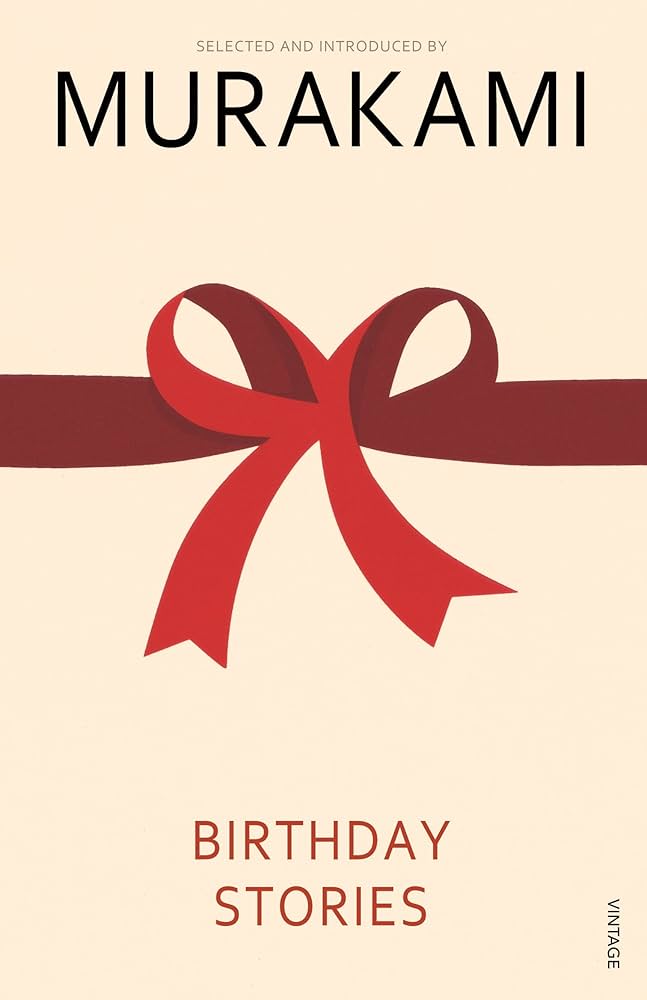
Art of Gifting Books

A few of my friends, family members, and a couple of my colleagues gift me books, often on my birthdays, and sometimes in between. I inherited a love for reading from my parents, especially my mother and my grandfather, both of whom have been voracious readers. I received my first book as a birthday gift from my father when I was in school. It was ‘The History of Western Philosophy’ by Bertrand Russel. 

Few gifts in life feel as personal, thoughtful, and lasting as a book. When someone hands you a neatly wrapped rectangle hiding a world within its covers, the gesture means more than just the promise of pages. It carries thought, intimacy, and a recognition of who you are. A book is not merely a gift; it shows understanding. For a book lover like me, it has always represented one of the highest forms of affection, a conversation without words, a silent connection of minds and feelings.

Books reflect both the giver and the receiver. A book requires careful thought, unlike routine gifts like perfume, gadgets, clothes, or vouchers. This act of choosing is intimate, showing familiarity not just with the recipient’s reading habits but also with their inner lives, beliefs, and hidden thoughts. When a friend gives you a book, they often imply, “This reminded me of you.” That unspoken message carries emotional weight. It suggests that they have seen you through the lens of a character, a philosophy, or a poem. It’s like the giver is handing you a mirror showing part of yourself, which possibly one you hadn’t noticed before.

For avid readers, this connection is unmatched as a new book means a new journey and a new companionship. Receiving it as a gift indicates that someone cared enough to guide you toward that path. I have always viewed books as a form of emotional currency. They are not consumed quickly or superficially; they unfold over days or weeks, creating a lasting connection between the giver and receiver. Each time you open a gifted book, you also revisit the memory of the person who gave it to you.

A note inside the cover, like “Hope you love this as much as I did” or “Read and Reflect,” becomes an emotional bookmark for years. Even after the friendship has changed, the note remains, tangible and unforgettable. The book turns into a keepsake of that moment, of that relationship. In this way, books gather layers of meaning beyond their content; they absorb personal histories.

Unlike many modern gifts that can age or fade, books age gracefully. A book received in your twenties might reveal new insights in your forties. A book of poetry shared during a tough year can later offer comfort. In this way, books outlast their occasions; they evolve with the reader. I have re-read several books in my ever-growing collection over the last 20 to 30 years, and each time, I have gleaned a deeper understanding and gained more from the same pages.

Receiving books from family carries a sense of heritage, adding another layer of intimacy and history. Parents who give books to their children often share not just stories but also values and perspectives. When a parent gifts their favourite childhood novel or a worn copy of a classic, it reflects continuity. It communicates, “This shaped me, and I hope it shapes you too.”

Books create a kind of generational dialogue in many homes. A shelf represents a lineage of thought, with dog-eared pages and underlined passages marking the intellectual footprints of those before us. When you receive a book from a family member, you are essentially invited into their memory, to share their inner world for a while. I often have long conversations with my mother about a book, discussing its theme, author, and philosophy. For a book lover, inherited or gifted books become sacred objects. They may have notes in fading ink, dates marking birthdays or milestones, or the faint scent of another home. They are pieces of family history, connected not just by blood but also by shared words and ideas.

Books exchanged among colleagues hold a subtler but equally significant meaning. In professional settings often focused on efficiency and formality, a book gift feels almost revolutionary, reminding us of our shared humanity. When a colleague gives you a book, it usually reflects admiration or intellectual connection. It might be a management classic that inspired them, a work of fiction that echoes your discussions, or a slim volume of essays that reminds them of your curiosity. This gesture crosses the impersonal barriers of the workplace. It conveys, “I see more in you than just your title. I recognise a mind worth connecting with.”

At a time of emails and digital interactions, such gestures feel refreshingly real. A physical book on your desk serves as a reminder of shared curiosity and trust, sometimes sparking discussions that go beyond work. For a book lover, receiving books is like receiving invitations to journeys, friendships, and moments of reflection. The smell of new pages, the design of a cover, and the promise of a new story all bring joy that few other gifts can match. When people give books to an avid reader, they validate and celebrate a part of their identity. It’s as if they are saying, “I respect your passion enough to contribute to it.” 

Book lovers often remember who gave them which book. Their collections become social maps, each title linked to a person, a moment, or a story. That book from a college friend, that poetry collection from a sister, that biography from a mentor—they all combine to create an autobiography of relationships. Every gifted book is also an act of trust. It assumes that the receiver will take the time, reflect, and engage. By giving a book, one offers not instant pleasure but delayed joy. This trust that the recipient will fully experience those pages is deeply personal. Unlike digital or temporary gifts, books require solitude and contemplation. Receiving one gently reminds us of the value of slowing down in a fast-paced world. Perhaps this is why books promote patience, reflection, and empathy.

Moreover, books can be challenging gifts as they can push the reader’s perspectives, encourage new ideas, or even provoke discomfort. A well-chosen book can disrupt complacency while still showing care. This balance between affection and intellectual challenge makes gifting books a refined art. Over time, a personal library becomes a mosaic of gifts and acquisitions, but the gifted ones stand out. They are the volumes we seldom lend or part with. They carry signatures, notes, or memories that root them in our emotional landscape. There’s something almost sacred about rereading a book that once came wrapped in the hands of someone dear to us. The words on the page remain constant, but their meaning shifts as our memories of the giver change. At times, after the giver is gone, the book transforms into a presence, a voice that still echoes in the silence of our shelves.

Therefore, books are not just gifts; they also extend the presence of people. They traverse time, holding fragments of affection, thought, and memory. A gifted book is both a message and a monument as it says, “I thought of you,” and continues to do so long after. For a book lover, each gifted book is a quiet act of love—sometimes romantic, sometimes platonic, sometimes familial, but always genuine. It is a gift that does not fade and grows richer with each reading. In giving and receiving books, we engage in a timeless exchange, not of objects but of selves. Ultimately, every gifted book conveys one simple yet profound message: I see you, and for any reader, there is no greater gift than that.

Arzee The Dwarf

arzee_the_dwarfArzee The Dwarf

by Chandrahas Choudhury | 184 Pages | Genre: Fiction| Publisher: HarperCollins India| Year: 2009 | My Rating: 8/10

“I am myself in my thoughts too much,
I seek recourse to myself too soon,
My days don’t stand up without a crutch,
I sing my own song out of tune.
I stand before the mirror too long,
Stare big at the eyes that return my gaze,
My shadow seems to me more strong
Than my shrunken heart, that lonely place.
My worries hang about me like clouds,
And my creditors they come calling,
My being is riven by spooks and doubts,
The walls of my house are falling.
In mine own alleys I traipse and turn,
Dreamlike I float through nights and days,
I watch the hours slowly burn,
And do not leave on time my trace.
I myself speak and myself hear,
And myself act and myself see,
My own self extends far and near,
And so I cannot myself be.”

– Chandrahas Choudhury, Arzee The Dwarf

In his debut novel, Chandrahas Choudhury has skillfully captured the nuances of intimate life and dreams of Arzee, who’s a midget, working at an old cinema hall in Mumbai as a deputy projectionist. Even though all the thirteen chapters revolve around him and he’s the protagonist of this novel, Choudhury has not projected him as a larger-than-life hero, which makes his world as interesting as that of a common man, yet one cannot stop feeling sympathy for that man whose all troubles stem from him being a midget or a dwarf. So much so that the characters around him forget his last name Gandhi, and instead address him as ‘Arzee the dwarf’. The beauty of this books lies in its prolific prose and colloquial dialogues portraying time and space, old world charm portrayed through the dying Noor cinema and modern day problems of love, money, and self-image, the memorable characters that even ‘The Babur’ the projection machine, which is Indian mutation of its German name Bauer seems to breath life. The novel ends without a definite ending as if Choudhury was overcautious to continue, leaving the readers to decipher it themselves about the new turns Arzee’s life is to take.

This novel full of pathos and pragmatism is my Read of the Week.

The Photographer

9781596433755The Photographer: Into War-Torn Afghanistan with Doctors Without Borders

by Emmanuel Guibert, Frederic Lemercier and Didier Lefevre
267 Pages | Genre: Graphic Novel | Publisher: First Second | Year: 2009 | Rating: 8.5/10

In 1986, French photojournalist Didier Lefèvre documented the efforts of Médecins Sans Frontières (Doctors Without Borders) in Afghanistan, which was torn apart by a war with USSR. This graphic novel is a record of his arduous journey along with the Doctors across Afghanistan and presents a powerful story of a mission dedicated to mending the wounds of war. I like the presentation style of using real B/W photographs and comic book illustrations & dialogues by Emmanuel Guibert based on the notes taken during the journey.

This incredibly brilliant graphic novel is my “Read of the Week”.

The Ninth Gate

ninthGenre: Thriller/Occult| Year: 1999 | Duration: 133 mins | Director: Roman Polanski| Medium: VCD (Eagle Home Video) | Trailer: HERE | My rating:4*/5*

 Fav Dialogue: “Liana : Don’t fuck with me!
Corso: I thought I already did.”

Perennial provocateur Roman Polanski directed this occult movie based on a part of the book El Club Dumas, and in the process made a very clever story. I loved the part of all the books and book fanatics in this film. The film is about this demonical book, The Nine Gates to the Kingdom of Shadows, chased by Dean Corso(Johnny Depp), an unscruplous & infamous dealer of rare books, to find the authenticity of the book owned by his client Boris Balkan (Frank Langella) and compare it with two other copies that exists with two other book fanatcis & collectors. The book seems to have been written in collaboration of the Devil himself with instructions on how to invoke satan and enter his realm.

Most of the characters in the film seems to be seduced by the evil, are on an unending search for the devil (which never appears throughout the movie, which is good direction and story telling). Balkan’s quest ended in death for him and Corso crossing the ninth gate, having witnessed the entire process during his detective work for the book, and helped by the succubus girl (Emmanuel Seigner) against all perils (and remains a mystery till the end in the movie). The movie is full of riddles being unfolded, and the last riddle is for the viewers to solve concerning the ninth ritual, which was forged in the book. The succubus girl have sex with Corso amidst the backdrop of flames, thus completing the ninth ritual, and corso returning to the castle to cross over.

Being a bibliophile, I truly enjoyed The Ninth Gate as my ‘Movie of the Day’.

The Sense of an Ending

b3“How often do we tell our own life story? How often do we adjust, embellish, make sly cuts? And the longer life goes on, the fewer are those around to challenge our account, to remind us that our life is not our life, merely the story we have told about our life. Told to others, but – mainly – to ourselves.”
― Julian Barnes, The Sense of an Ending

This 2011 Booker Prize winning, witty, cynical and ironic novel is my “Read of theWeek”