The Sense of an Ending
April 12, 2013 Leave a comment
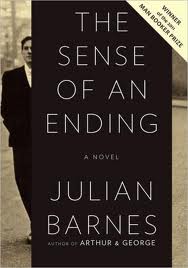 “How often do we tell our own life story? How often do we adjust, embellish, make sly cuts? And the longer life goes on, the fewer are those around to challenge our account, to remind us that our life is not our life, merely the story we have told about our life. Told to others, but – mainly – to ourselves.”
― Julian Barnes, The Sense of an Ending
The Sense of an Ending is a quiet, unsettling novel that lingers long after its final page. The memoir like novel is narrated by Tony Webster, who looks back on his friendships, his first love, and a moral failure he barely understood at the time of his youth. What begins as a calm story in nostalgia gradually turns into an examination of how memory deceives, and flatters us.
The author is less interested in what happened than in how we remember what happened. Tony believes he has lived an ordinary, decent life, but a late-life inheritance forces him to confront the possibility that his past actions had darker consequences than he imagined.
The writing is spare, precise, and simple. Barnes resists sentimentality, allowing ambiguity to do the emotional work. The novel ultimately asks unsettling questions about responsibility, guilt, and time. Do we ever truly understand our own lives, or do we merely settle for a version that feels bearable? It is a small book with a profoundly disturbing aftertaste.
This 2011 Booker Prize winning, witty, cynical and ironic novel is my “Read of theWeek”

 Manu Mayank